What Do The New Regulations Mean For The Construction Industry?
Creating homes and buildings fit for the future in the face of a changing climate is clearly overdue. The new Part L requirements of the Building Regulations will be seen as an important stepping stone to the Future Homes Standard in 2025 but there needs to be a clear emphasis on the design of a building’s envelope without the need for further retrofitting work. Here we examine three different perspectives.
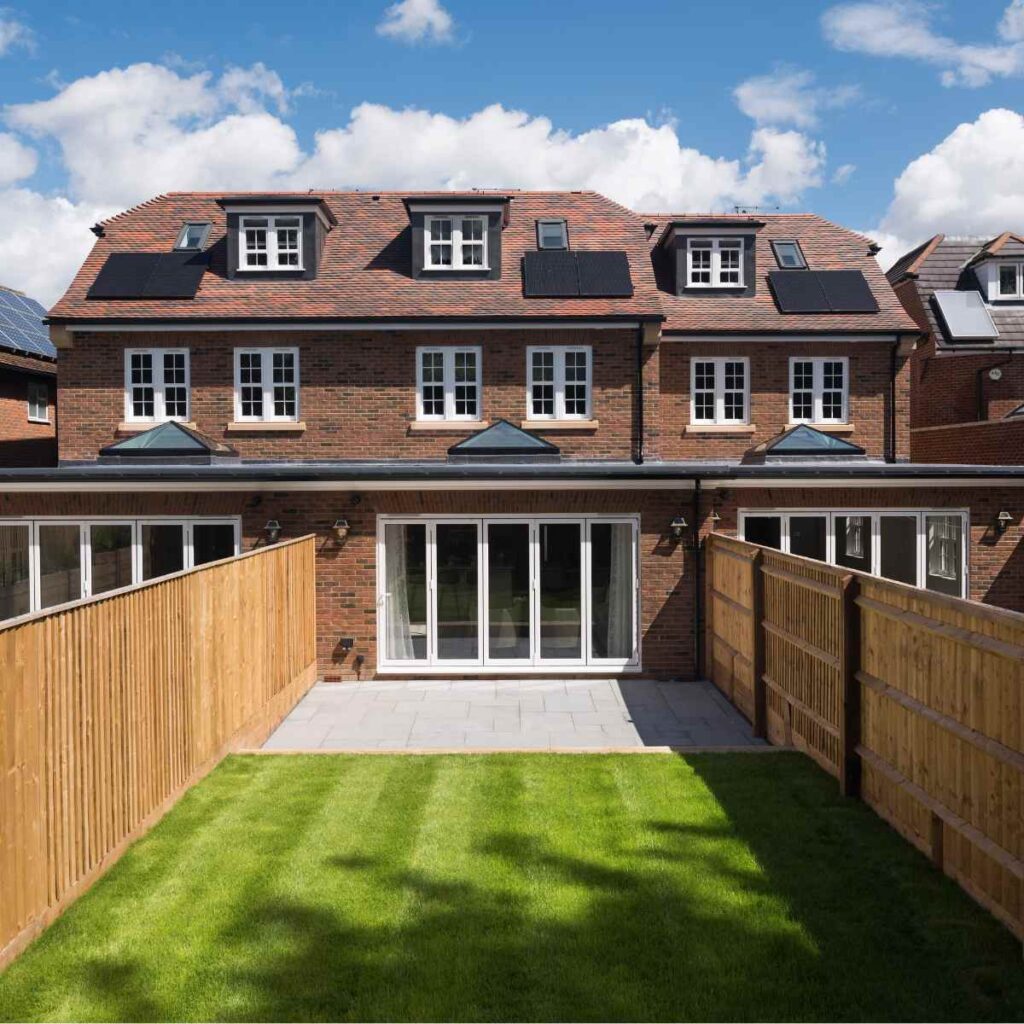
Director and Sustainability Consultant at AES, Alex Brooks, shared his thoughts on the importance of collaboration with product manufacturers when trying to meet Part L regulations and climate change targets. As well as how solutions such as Hi-therm+ can reduce thermal bridging and improve the energy efficiency of the building fabric, without increasing costs.
“In terms of costs, developers can’t get away from the fact that these increased targets are going to lead to increased build costs.
It’s really about working with your consultant to ensure they understand the commercial implications of any changes. Ultimately this will allow us to play around with the recipe to ensure that you’re not increasing costs in certain areas where you don’t potentially need to. It will also mean we can be savvy with the modelling to create the best solution that’s value engineered and buildable. The government’s Option One Fabric Energy Efficiency Standard (FEES) targets has meant developers now need to examine and value engineer their fabric specification (walls, floors, windows, airtightness) to work out what is best for their business.
Some of the key areas for thermal bridging include the ground floor, the lintel, and room and roof junctions. With the new fabric energy efficiency standards we’ve seen that really focusing on linear thermal bridging is absolutely key to meeting Part L.
With this in mind, developers have been very receptive to the Hi-therm+ lintel. It’s a relatively low-cost item but does improve thermal performance. Also, it replaces a product that’s already in the house. So, a lintel replaced for another lintel is a simple win and simple fix.”
View the video insight from Alex here
Jon Moss, Head of Group Technical at Redrow discussed non-repeating thermal bridges, changes to Part L and how lintels are a key area for improvement in the building fabric.
“It was about 15 years ago when the non-repeating thermal junction was first considered within SAP, and from a meeting I attended at the Energy Saving Trust, it was pretty obvious that lintels were a key area that we needed to look into.
We decided to specify Hi-therm+ because not only does it fulfil the purpose of a structural lintel, it also performs really well when it comes to thermal modelling. It also gives us the scope to adjust other fabric elements because it gives that flex.
Because it performs really well, it means that we can change other services or the building fabric. It allows us to adjust our specification elsewhere in the building fabric, particularly when you have increased costs coming in for particular products.
The market is under immense strain at present from supply chain issues and price inflation, and we’re currently working on a specification for the new Part L, which comes out later in the year. This is another step in CO₂ reduction. The government response to the consultation can’t come soon enough, and with products like the Hi-therm+ lintel, it will go a long way to achieving FEES or whatever that may be.”
View the video insight from Jon here
Keystone Lintels Specification Manager Ciaran McAliskey welcomes the government response to Part L of the Building Regulations and explains why a fabric first approach is a critical first step in reaching the performance levels required and future-proofing UK homes.
“Clearly the houses we build today will be needed for a long time, so locking in energy savings for the lifespan of the building through good fabric design and not relying on technology that will inevitably need to be maintained and replaced, surely makes good sense?
We have seen in recent years a huge uplift in interest, enquiries and sales for the Hi-therm+ lintel. It’s because specifiers and housebuilders are really striving for the most cost effective solution to comply with Building Regulations Part L.
Hi-therm+ lintels have been proven to virtually eliminate thermal bridging and as a result, significantly improve the fabric efficiency of the external wall.
They really are a great cost effective solution for designers and specifiers looking to comply with the tightening building regulations.
At a time of spiralling energy costs and the current gas crisis seeing no signs of abating, making homes more energy efficient through these welcome regulatory changes will go some way to achieving our climate change target and it’s great to hear that housebuilders and consultants are focusing on sustainability, fabric first design and how to meet our regulatory targets.”