Fabric First Design: The Smartest Way To Improve Energy Efficiency
Keystone Lintels has been featured in The Hardware Journal’s Plasterboard and Insulation 2026 feature, highlighting the importance of a fabric first approach to improving the energy efficiency and long-term performance of our homes.
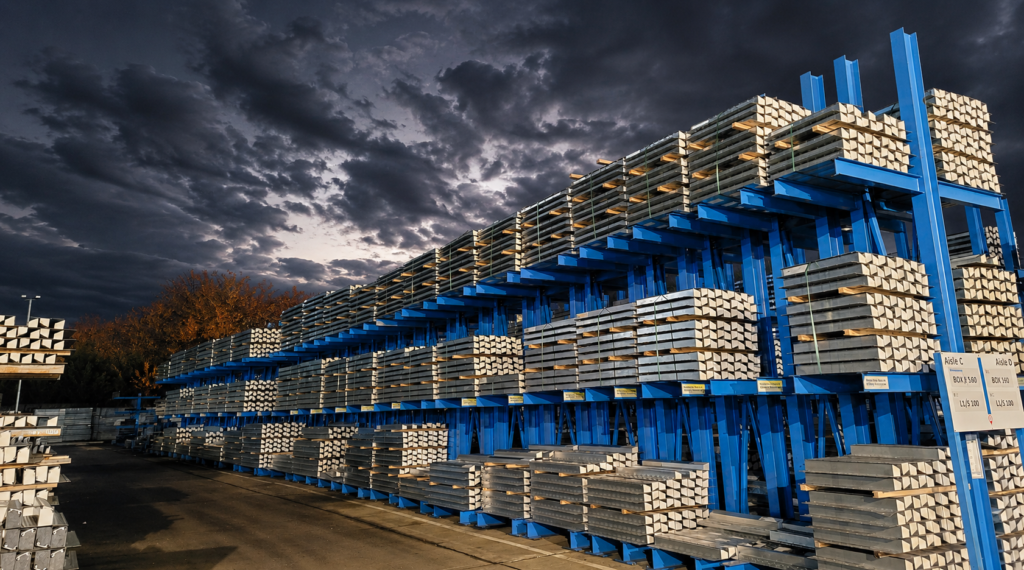
As energy efficiency standards continue to evolve, builders are under increasing pressure to deliver homes that achieve higher levels of thermal performance while maintaining cost-effectiveness and buildability. Meeting today’s energy performance targets is no longer simply about adding more insulation or incorporating renewable technologies. Instead, significant gains can be made by adopting a fabric first approach, prioritising the performance of the building envelope to minimise heat loss from the outset.
The importance of thermal bridging
Central to a fabric first approach is careful attention to detailing, particularly at junctions where thermal bridging can significantly undermine overall performance. Even in well-insulated buildings, heat loss frequently occurs where the continuity of insulation is interrupted. These thermal bridges can increase heat loss, reduce occupant comfort and contribute to issues such as condensation and mould.
Lintels are one of the often-overlooked contributors to thermal bridging. Positioned above window and door openings throughout a building, they represent multiple junctions where thermal performance can either be maintained or compromised. While the impact of an individual lintel may seem relatively small, their cumulative effect across an entire dwelling can influence overall energy performance and Building Energy Rating (BER) assessments.
Supporting a fabric first approach
A successful fabric first strategy considers every component within the building envelope and how those components work together to help reduce heat loss. This means specifying products that actively support thermal continuity rather than relying on additional insulation, renewable technologies or mechanical systems to compensate for weaknesses within the building fabric.
One-piece thermally efficient lintels are designed specifically with this objective in mind. Unlike traditional multi-part lintel arrangements, which can interrupt insulation continuity and create additional thermal bridges, a one-piece design helps maintain a more consistent thermal envelope around window and door openings.
Improving long-term building performance
Improving junction details through the specification of thermally efficient lintels can help reduce heat loss calculations used within BER assessments, supporting improved Building Energy Ratings. Importantly, this is achieved by enhancing the building fabric itself rather than increasing dependence on renewable technologies or more complex heating systems.
Selecting thermally efficient structural components also provides long-term value. They require no operational energy and continue delivering performance benefits throughout the lifetime of the building. For contractors, one-piece lintels can also simplify installation by reducing the complexity associated with multiple-component systems.
A simple specification with a lasting impact
As expectations for energy-efficient housing continue to rise, fabric first thinking remains one of the most effective strategies for delivering homes that perform as intended. By reducing thermal bridging and improving thermal continuity, one-piece thermally efficient lintels represent a simple specification decision that can make a measurable difference to energy performance, helping builders deliver homes that are ready for both today’s standards and tomorrow’s demands.
Keystone Lintels recently explored the importance of fabric first design and thermally efficient lintel specification as part of The Hardware Journal’s Plasterboard and Insulation 2026 feature.
Want to find out more about Keyslip or view other Keyslip signature projects?