


Experts
BMBI Report Q2 2026
Q2 Merchant sales down -1.2% year-on-year. Prices rise +5.8%. Volumes fall -6.6%. Read more
All the latest company and industry news, tips, product information & announcements.
Featured News
Flat Builders’ Merchant value sales in May, but volumes fell -5.8% year-on-year. Read more
Featured News
Everything you need from the Keystone Group, in one place. Read more
Featured News
With the government aiming to build 1.5 million homes during this parliament, the pressure is... Read more
Featured News
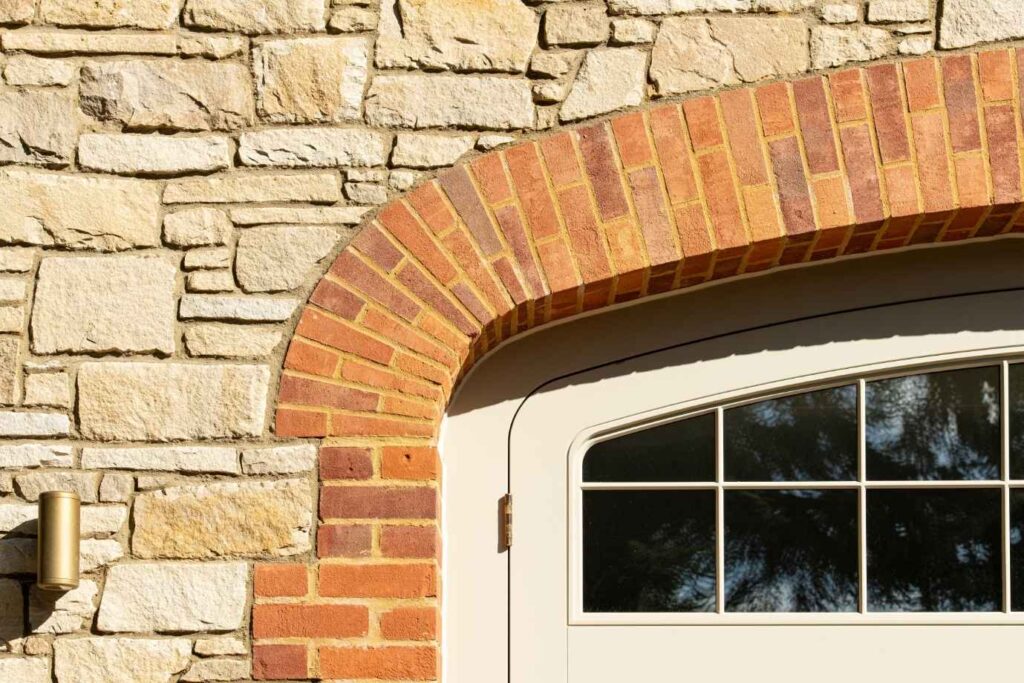
Keystone Lintels’ visionary Keyslip range includes fully structural steel backed Brick Feature Lintels and non-structural,... Read more
Featured News
April Merchant sales drift down as volumes fall -3.5% year-on-year. Read more
Featured News
At Keystone Lintels, we know that truly exceptional architectural designs demand more than standard off-the-shelf... Read more
Featured News
As the regulatory landscape continues to evolve, housebuilders are under increasing pressure to deliver homes... Read more
Featured News
Keystone Group is proud to bring you the latest edition of Merchant Market Maker, featuring all the... Read more
Q2 Merchant sales down -1.2% year-on-year. Prices rise +5.8%. Volumes fall -6.6%. Read more

Keystone Lintels is delighted to be sponsoring the Housebuilder Awards 2026, one of the most anticipated events in the UK... Read more

How engineered special lintels and brick slip solutions can give housebuilders greater design freedom, buildability and confidence on their next... Read more
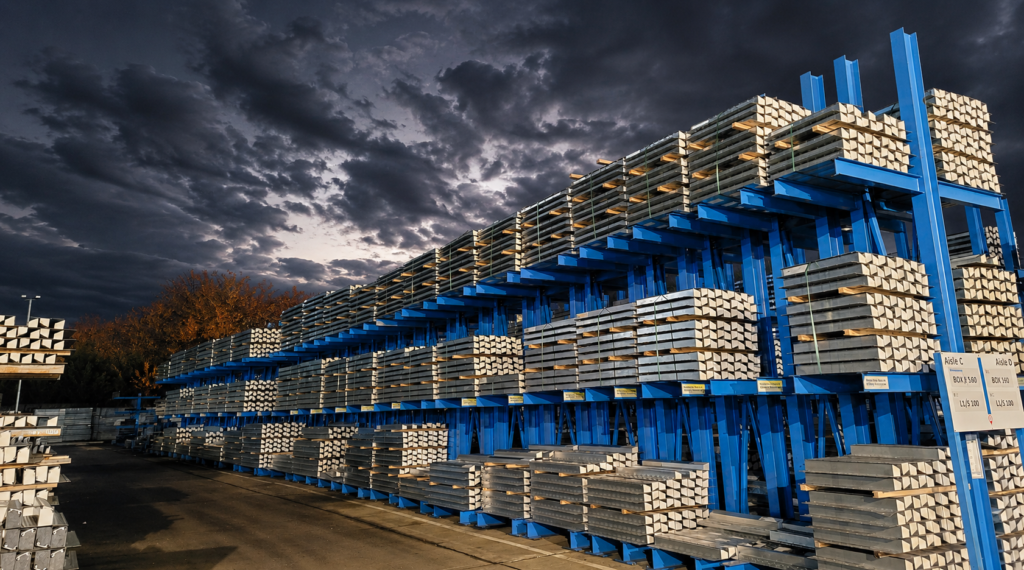
Keystone Lintels has been featured in The Hardware Journal’s Plasterboard and Insulation 2026 feature, highlighting the importance of a fabric... Read more

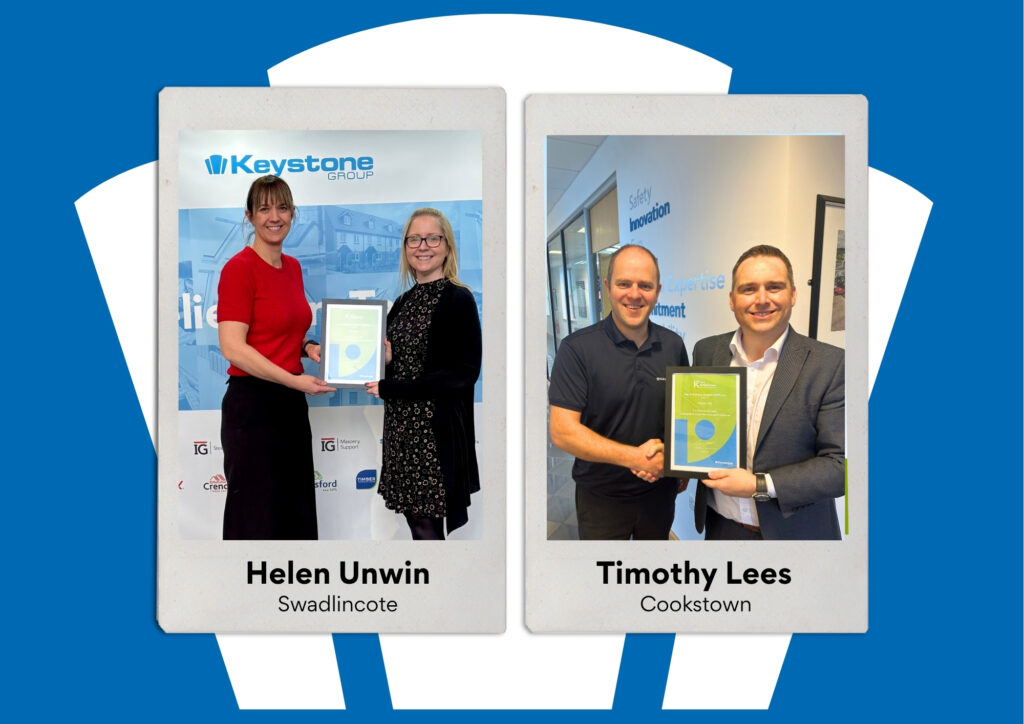
Meet Our Q2 2026 Key Employee Award Winners. Read more
Flat Builders’ Merchant value sales in May, but volumes fell -5.8% year-on-year. Read more
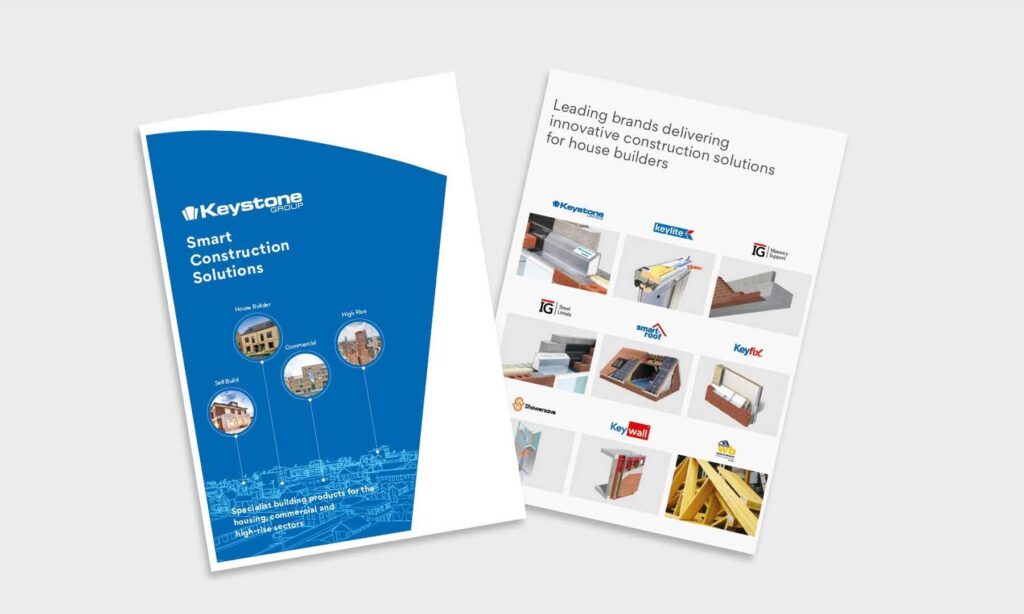
Everything you need from the Keystone Group, in one place. Read more

Keystone Lintels is looking forward to attending the NBG Annual Conference in Glasgow this November, joining hundreds of delegates from... Read more
Simply fill out the form with your technical enquiry and our experts will be in touch.
My Quote Request